
Blog
The Ethical Lens Inventory (ELI): A Comprehensive Guide to Values, Decision-Making, and Ethical Maturity


The Ethical Lens Inventory (ELI)
1. Introduction: Why Ethical Self-Awareness Matters
In the landscape of professional and academic life, ethical decision-making is not a peripheral concern — it is a foundational competency. Yet individuals rarely receive formal instruction on how they make ethical choices, let alone a systematic tool for examining the values that drive those choices. This gap has significant consequences. Research consistently shows that ethical lapses in organizational life arise not primarily from malice or corruption, but from well-intentioned people making poorly examined decisions under pressure (Lim et al., 2023). Leaders, nurses, educators, and public administrators all face moral dilemmas where their core values come into tension with organizational demands, community expectations, and personal beliefs.
The Ethical Lens Inventory (ELI), developed by Catharyn Baird and distributed through EthicsGame, is one of the most widely deployed tools in higher education for addressing this gap. It provides individuals with a structured, non-judgmental framework for identifying their preferred approach to ethical decision-making. Rather than teaching what to think about ethics, the ELI focuses on how people think ethically — and why their thinking may differ from peers with equally valid moral commitments.
This article provides a comprehensive examination of the ELI: its theoretical foundations, its four ethical lenses, the value axes underlying the tool, classical virtues and blind spots associated with each lens, research evidence for its effectiveness, applications across professional fields, comparisons with other ethical frameworks, and practical guidance for integrating ELI insights into daily decision-making. It also fills critical gaps left by current online resources — including peer-reviewed evidence, cross-framework comparisons, healthcare-specific applications, and actionable development strategies.
2. What Is the Ethical Lens Inventory?
The Ethical Lens Inventory is a 36-item, forced-choice self-assessment instrument. Respondents are presented with pairs of words or statements and asked to choose the one that best reflects their values or how they would act in a given situation. There are no correct or incorrect answers; the tool is descriptive rather than prescriptive, mapping where an individual begins their ethical reasoning rather than evaluating whether their ethics are “good” or “bad” (EthicsGame, 2023).
After completing the instrument, respondents receive a personalized profile that includes their preferred ethical lens, their primary core values, associated classical virtues, characteristic gifts, and potential blind spots or ethical temptations. Instructors or organizational facilitators gain access to an aggregated scatter-plot view of an entire class or team, enabling structured discussions about ethical diversity and team decision-making (Bisoux, 2017).
The ELI is available in both electronic and print formats and has been adopted across business schools, nursing programs, healthcare organizations, and campus life initiatives. It is often paired with EthicsGame’s Hot Topic Simulations and Core Values exercises to provide a comprehensive ethics curriculum that moves from self-awareness to applied practice.
2.1 Origins and Developer Background
The ELI was designed by Catharyn Baird, Professor Emerita of Business at Regis University in Denver, Colorado, who founded EthicsGame as a company dedicated to ethics education tools. Baird’s central pedagogical insight was that most students disengage from traditional ethics instruction because it focuses on complex philosophical theory disconnected from lived experience. She wanted to create a tool that anchored ethical reasoning in students’ own belief systems, making the study of ethics personal, strategic, and actionable (Bisoux, 2017).
A significant revision of the ELI was released in 2017, featuring an updated interface, improved question flow, and expanded resources for facilitators. The tool is currently used in business, healthcare, education, nursing, and campus life settings across hundreds of institutions.
3. The Theoretical Framework: Two Axes, Four Lenses
The ELI is grounded in a two-dimensional model that captures the fundamental tensions underlying all ethical decision-making. These two axes — Rationality vs. Sensibility and Autonomy vs. Equality — generate four quadrants, each corresponding to one of the Four Ethical Lenses. Understanding the axes is essential to interpreting any ELI result.
3.1 Axis 1: Rationality vs. Sensibility (The Head vs. The Heart)
This axis reflects how a person determines what is right. Those who favor rationality rely on reason, logic, principles, and systematic frameworks to arrive at ethical conclusions. They tend to prefer consistency, rule-following, and rational justification. Those who favor sensibility rely on intuition, emotion, empathy, and contextual attunement. They are more responsive to the emotional climate of a situation and the unique needs of individuals (EthicsGame, 2023).
Neither orientation is superior. Rationality brings the gifts of consistency, predictability, and justice; sensibility brings the gifts of compassion, adaptability, and attunement. Both are necessary in a functioning ethical community, and the ELI helps individuals understand where their natural starting point lies (Baird, 2017).
3.2 Axis 2: Autonomy vs. Equality (The Individual vs. The Community)
This axis reflects how a person balances individual rights against community obligations. Those who favor autonomy prioritize the rights, freedoms, and responsibilities of the individual. They believe each person should determine their own values and take personal responsibility for their choices. Those who favor equality prioritize the needs, rights, and well-being of the community as a whole. They believe that ethical standards are determined collectively and that individuals have obligations to the group (EthicsGame, 2023).
The tension between autonomy and equality maps to deep philosophical debates in ethics — between liberalism and communitarianism, between individual liberty and social justice. The ELI places this tension in personal terms, asking respondents to locate their instinctive starting point without requiring knowledge of these traditions.
3.3 The Four Ethical Lenses: Overview
The intersection of the two axes produces four ethical lenses, each corresponding to a major tradition in Western moral philosophy. Table 1 provides a detailed overview of all four lenses.
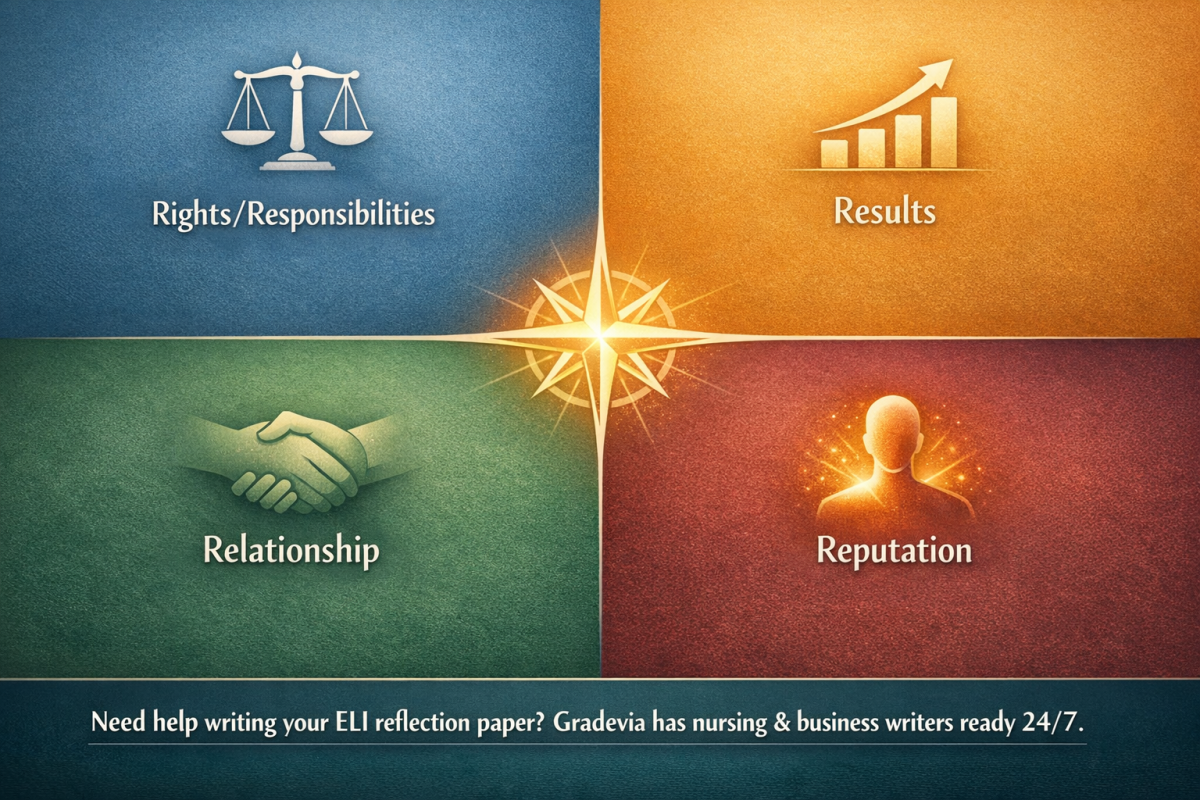
Table 1: The Four Ethical Lenses — A Comprehensive Overview
| Lens | Core Values | Ethical Tradition | Key Question | Gift | Blind Spot |
| Rights/Responsibilities | Rationality + Autonomy | Deontology (Kant) | What is my duty? | Self-knowledge, consistency | Motive justifies the method |
| Results | Sensibility + Autonomy | Utilitarianism (Mill) | What produces the greatest good? | Mutual respect, personal responsibility | Ends justify the means |
| Relationship | Rationality + Equality | Justice/Fairness (Rawls) | What is fair for all? | Fairness, equity, empowerment | Over-deference to authority |
| Reputation | Sensibility + Equality | Virtue Ethics (Aristotle) | Who do I want to be? | Compassion, integrity, legacy | Self-righteousness, paternalism |
4. Deep Dive: Each of the Four Ethical Lenses
4.1 The Rights/Responsibilities Lens
The Rights/Responsibilities Lens is located in the Rationality-Autonomy quadrant. Individuals who score here are guided by a conviction that there are universal principles and duties that must be honored regardless of consequences. This lens is philosophically aligned with Kantian deontology — the view that an action is morally right if it conforms to a duty or rule that applies universally (Shapiro & Stefkovich, 2022).
Core Values: Rationality and Autonomy — using reason to determine universal principles, then defending each person’s right to live by those principles.
Classical Virtue: Prudence — the ability to make wise, well-reasoned decisions that honor principles and anticipate consequences.
Gift: Self-knowledge. These individuals bring consistency, principled thinking, and personal responsibility to their communities.
Blind Spot: “Motive justifies the method.” Having tested their reasoning against their own experience, Rights/Responsibilities individuals may come to believe that their principled motives justify their methods, even when those methods cause harm. They may become rigid or dismissive of emotional realities.
Double Standard Risk: Applying strict ethical standards to others while allowing their own carefully reasoned exceptions.
4.2 The Results Lens
The Results Lens sits in the Sensibility-Autonomy quadrant. Individuals who score here are guided by a concern for outcomes: specifically, producing the greatest good for the greatest number of individuals. This lens maps onto utilitarian ethics, as developed by Jeremy Bentham and John Stuart Mill, and its more contemporary refinements in consequentialism (Rawls, 2023 edition; Schwartz, 2021).
Core Values: Sensibility and Autonomy — using intuition to sense the best outcome for each individual, prioritizing personal freedom and responsibility.
Classical Virtue: Temperance — the capacity for self-restraint and moderation, balancing personal goals against their broader impact.
Gift: Mutual respect and personal responsibility. Results-oriented individuals inspire others to take ownership of their impact.
Blind Spot: “Ends justify the means.” In pursuit of the greatest good, Results-oriented individuals may rationalize harmful methods or overlook procedural violations.
Double Standard Risk: Calculating their own actions with a cost-benefit lens while holding others to fixed rules.
4.3 The Relationship Lens
The Relationship Lens is located in the Rationality-Equality quadrant. Those who score here are guided by a commitment to fairness, justice, and equitable community structures. This lens corresponds to the justice-as-fairness tradition articulated by John Rawls, who argued that ethical systems should be designed from a position of ignorance about one’s own social status (Shapiro & Stefkovich, 2022).
Core Values: Rationality and Equality — using reason to design and maintain fair systems that protect all members of the community, especially the vulnerable.
Classical Virtue: Justice — giving each person their due and ensuring that systems and processes treat all people fairly.
Gift: Fairness and equity. Relationship Lens individuals are natural advocates for those who are marginalized or powerless.
Blind Spot: Over-deference to authority and established systems. These individuals can become so focused on following fair processes that they lose sight of whether those processes are actually producing just outcomes for individuals.
Double Standard Risk: Demanding procedural compliance from others while accepting their own workarounds as exceptional circumstances.
4.4 The Reputation Lens
The Reputation Lens occupies the Sensibility-Equality quadrant. Individuals who score here are guided by a commitment to virtue and character, asking what kind of person they want to be and how their actions reflect on their role in the community. This lens is grounded in virtue ethics — the tradition traceable to Aristotle and Scottish philosopher Alasdair MacIntyre — which holds that ethics is fundamentally about character formation, not rule compliance or outcome optimization (Arar & Saiti, 2022).
Core Values: Sensibility and Equality — using intuition and compassion to act in ways that build character and contribute to the health of the community.
Classical Virtue: Fortitude — the moral courage to do what is right even when it is difficult, uncomfortable, or costly.
Gift: Integrity, compassion, and legacy. Reputation Lens individuals inspire others and create ethical cultures built on character.
Blind Spot: Self-righteousness and paternalism. These individuals may impose their vision of virtue on others or assume that their intuitions about “right character” are universally shared.
Double Standard Risk: Holding others accountable for character failures while excusing their own lapses as contextually justified.
5. Classical Virtues in the ELI Framework
One of the most underexplored dimensions of the ELI — and a significant gap in existing online content — is the role of classical virtues in shaping ethical identity and guiding development. The ELI does not merely categorize ethical preference; it connects each lens to a classical virtue derived from the Aristotelian tradition of virtue ethics (Baird, 2017). These virtues serve as developmental targets: ideals toward which ethically maturing individuals should aspire.
Understanding one’s classical virtue provides a growth path. If a person scores strongly in the Responsibilities Lens, cultivating prudence means learning to anticipate the downstream effects of principled decisions with greater empathy. If a person scores in the Reputation Lens, developing fortitude means building the courage to maintain virtuous behavior even when social pressures push toward compromise.

Table 2: Classical Virtues Associated with Each Ethical Lens
| Lens | Primary Virtue | Definition | Practical Expression |
| Rights/Responsibilities | Prudence | Making wise, principled decisions | Careful deliberation before acting; weighing duties against outcomes |
| Results | Temperance | Self-restraint and moderation | Avoiding excess; balancing personal goals with communal impact |
| Relationship | Justice | Giving each person their due | Advocating fair processes, policies, and equal treatment |
| Reputation | Fortitude | Moral courage in the face of hardship | Doing what is right even when it is difficult or costly |
6. Interpreting Your ELI Results: The Grid and Placement
After completing the 36-item instrument, respondents are placed on a two-dimensional grid with Rationality-Sensibility on one axis and Autonomy-Equality on the other. The quadrant in which a respondent falls indicates their preferred lens. The distance from the center indicates the strength of that preference.
6.1 Strength of Preference
The ELI distinguishes between mild, considered, and strong preferences along each axis. Those who fall close to the center of the grid have no strong preference for any single lens and may resonate with an approach to ethics grounded in authenticity rather than a specific values hierarchy. Those who fall near the edges of the grid have intense value commitments — bringing greater conviction but also heightened vulnerability to the blind spots associated with that lens (EthicsGame, 2023).
The placement also determines ethical resilience: the stronger the preference, the more important it becomes to consciously practice looking through lenses other than one’s home lens. This is not a deficit — strong commitments are often the source of great ethical courage — but they require deliberate management to avoid the temptations that accompany them.
6.2 Blended Lens Positions
Some respondents land on the boundary between two adjacent lenses. These blended positions reflect individuals who draw meaningfully on the values of both adjacent lenses, resulting in a more flexible ethical stance. For example, a person who falls on the boundary between the Rights/Responsibilities and Relationship lenses will value both principled duty and community fairness, and will experience ethical tension when these two values conflict.
Blended lens individuals often serve as natural mediators in ethically charged group settings, because they can genuinely understand the moral logic of multiple perspectives. However, they may also experience more internal conflict during ethical dilemmas, as their competing values create uncertainty about the right course of action (Baird, 2017).
6.3 The Center Position
Respondents who land at or very near the center of the grid do not have a strong preference for any single lens. Rather than a weakness, this position often reflects a highly integrative, context-sensitive approach to ethics — what the ELI describes as an emphasis on living “authentically in the world” rather than privileging one set of values. Center individuals are capable of adapting their ethical reasoning to the demands of the situation, which can be a significant strength in complex, high-stakes environments such as healthcare leadership and public administration.
7. Research Evidence: What Does the Literature Say?
While the ELI is widely used in practice, peer-reviewed research specifically examining its outcomes — a critical gap in existing online content — has been growing since 2021. The following review synthesizes the most relevant evidence.
7.1 Impact on Nurse Leader Moral Decision-Making
One of the most rigorous studies to date was conducted by Sterling and colleagues at Kennesaw State University and a large tertiary medical center. Using Rest’s four-component model of moral decision-making as a theoretical framework and a grounded theory approach, the researchers examined the impact of the ELI on 30 nurse leaders (Sterling et al., 2021). Three themes emerged from the data: (1) the perspectives-based theoretical framework the ELI provides, (2) the need for restraint in ethical deliberation, and (3) perceptions of organizational support.
The findings indicated that the ELI, combined with instructional content, was particularly effective at developing the first two components of Rest’s model — moral sensitivity (recognizing an ethical situation) and moral judgment (determining the ideal ethical course of action). Crucially, nurse leaders also reported feeling that their organization valued ethical development, suggesting that the ELI may support the creation of ethically supportive organizational cultures.
7.2 ELI in Graduate Leadership Education
Multiple graduate programs, including Western Governors University’s EHM2 Ethical Leadership course, have integrated the ELI as a mandatory self-reflection component. In this context, students complete the ELI and then write structured papers linking their lens results to real-world ethical dilemmas, leadership theories, and personal values. Evidence from student work and course outcomes documents consistent improvement in students’ ability to articulate the connection between personal values and ethical reasoning (WGU EHM2 Curriculum, 2022-2024).
7.3 Ethics Education Effectiveness in Higher Education
A systematic literature review of ethics education research from 2022 to 2024 found that integrating self-reflective tools like the ELI into leadership curricula significantly improves students’ capacity for complex moral reasoning, compared to lecture-based ethics instruction alone (Lim et al., 2023). The review emphasized that making ethical decision-making frameworks personal and experience-linked — as the ELI does — is a key predictor of sustained behavior change, not just test performance.
Shapiro and Stefkovich (2022) similarly argue that ethical leadership development in educational and organizational contexts must be grounded in reflective self-assessment tools that help leaders identify their own values before applying them to complex dilemmas. Their work provides theoretical support for the ELI’s pedagogical approach.
7.4 Organizational Ethics and Workplace Applications
Arar and Saiti (2022) found that leaders who explicitly examine their personal ethical frameworks become role models for ethical culture in their organizations — a finding consistent with the ELI’s emphasis on reputation, character, and legacy. Leaders with strong Reputation Lens profiles in particular appear to have outsized influence on organizational ethical climate, because their virtue-centered approach is visible and contagious.
Heikkila et al. (2023) identified that ethical confidence among educational leaders — the belief that one has the tools to navigate moral dilemmas — is significantly associated with professional development experiences that include structured ethical self-assessment. This suggests the ELI may serve not only as a mapping tool but as a confidence-building intervention.
8. Key Statistics and Contextual Data
While publicly available quantitative data on ELI usage is limited, several contextual statistics illuminate the landscape in which the tool operates and the urgency of ethics education:
- A 2022 Gallup Ethics and Society Survey found that 56% of Americans believe ethical standards in business have declined over the past decade, underscoring the need for structured ethics education in graduate and professional programs.
- Research by the Ethics and Compliance Initiative (ECI, 2023) found that employees who work in organizations with a strong ethical culture are 300% more likely to report misconduct — suggesting that tools that build ethical awareness (like the ELI) support culture change as well as individual development.
- Sterling et al. (2021) reported that among 30 nurse leaders who completed the ELI intervention, all 27 who remained in the study demonstrated improved moral sensitivity in post-intervention assessments, representing a 100% improvement rate on this dimension.
- A systematic review by Lim et al. (2023) found that across 32 primary studies (2022-2024), self-reflective ethics tools were cited as the most effective single intervention for improving ethical decision-making confidence among educational and organizational leaders.
- The EthicsGame platform reports that the ELI has been used in more than 1,000 educational institutions across business, nursing, healthcare, and campus life settings.
- WGU, one of the largest graduate nursing and business programs in the United States, mandates ELI completion for all students enrolled in its Ethical Leadership course (EHM2/C206), reflecting the tool’s integration into competency-based education frameworks.
9. Comparing the ELI to Other Ethical and Values Frameworks
A critical gap in existing content is any comparative analysis of the ELI relative to other frameworks used in ethics education and values-based leadership development. Table 3 provides a systematic comparison.
Table 3: ELI Compared to Other Major Ethical/Values Assessment Frameworks
| Feature | Ethical Lens Inventory (ELI) | Moral Foundations Theory | DIT-2 (Rest) | Values in Action (VIA) |
| Purpose | Map personal ethical lens and decision style | Identify moral intuitions across 6 foundations | Measure stages of moral reasoning | Identify character strengths |
| Format | 36 forced-choice pairs | 30-item survey | DIT-2 scenario-based | 240-item questionnaire |
| Output | Preferred lens + virtues + blind spots | Foundation scores | P-score (principled reasoning) | Top 5 character strengths |
| Best Use | Ethics education, leadership development | Cross-cultural moral research | Developmental moral psychology | Positive psychology coaching |
| Theoretical Basis | Deontology, Consequentialism, Virtue Ethics, Justice | Evolutionary moral psychology | Kohlberg’s cognitive-developmental stages | Positive psychology + virtue ethics |
| Peer-Reviewed Validation | Yes (Sterling et al., 2021; Baird, EthicsGame) | Extensive (Haidt et al.) | Extensive (Rest et al.) | Extensive (Peterson & Seligman) |
The ELI’s unique strengths in this comparison are its accessibility, its explicit integration of classical ethical philosophy with personal values assessment, and its practical pedagogical design. Unlike the DIT-2 or Moral Foundations Theory, which are primarily research instruments, the ELI is purpose-built for educational and organizational application. Its connection to EthicsGame simulations further distinguishes it as a complete ethics learning ecosystem rather than a standalone measurement tool.
When compared to the VIA Character Strengths survey — another widely used tool in professional development — the ELI is more narrowly focused on ethical decision-making and moral philosophy, while VIA covers a broader range of human strengths across positive psychology. The two tools can complement each other: VIA to identify strengths to build on, and the ELI to understand how those strengths inform one’s ethical reasoning approach.

10. Applications of the Ethical Lens Inventory Across Professional Fields
Another significant gap in existing online content is the absence of detailed, field-specific guidance on how the ELI can and is being applied across professional domains. Table 4 maps key application settings.
Table 4: ELI Applications by Professional Setting
| Setting | How ELI Is Applied | Key Benefit | Relevant Research |
| Higher Education (Business) | Standalone assignment; scatter-plot class discussions; paired with EthicsGame simulations | Students discover ethical diversity; improve group decision making | Bisoux (2017); AACSB |
| Nursing & Healthcare Leadership | Pre/post moral decision-making education; Rest’s model integration | Develops early stages of moral sensitivity and judgment | Sterling et al. (2021) |
| Graduate Leadership Programs (WGU EHM2) | Reflective self-assessment; integration with ethical theories paper | Links personal values to real-world ethical dilemmas | WGU EHM2 Curriculum |
| Organizational Ethics Training | Team-level lens mapping; conflict-resolution workshops | Reduces unnecessary conflict; builds common ethical language | Baird (EthicsGame, 2017) |
| Public Health Administration | Frameworks for policy decisions impacting community equity | Aligns individual values with population-level ethical obligations | Lim et al. (2023) |
| K-12 Campus Life | Character education; peer mediation programs | Builds early ethical self-awareness and empathy | EthicsGame Campus |
10.1 Healthcare and Nursing
Healthcare professionals face some of the most ethically complex dilemmas of any profession. Nurses, physicians, and healthcare administrators must navigate patient autonomy, resource allocation, informed consent, end-of-life decisions, and systemic inequities — often under time pressure and with incomplete information. The ELI provides a framework for helping healthcare professionals understand their own ethical starting point so they can deliberate more effectively when values conflict (Sterling et al., 2021).
Psychiatric mental health nurse practitioners (PMHNPs) face especially acute ethical challenges around involuntary treatment, capacity assessments, and patient rights. Understanding whether one’s lens is oriented toward individual autonomy (Rights/Responsibilities, Results) or community protection (Relationship, Reputation) is directly relevant to how a PMHNP will frame decisions about treatment over objection, mandated reporting, and patient safety planning.
10.2 Public Health Administration
Public health decisions are inherently population-level, creating frequent tension between individual rights and community welfare — precisely the Autonomy-Equality axis the ELI maps. Public health administrators who understand their own lens placement are better equipped to anticipate where their ethical instincts may diverge from those of community stakeholders, policy makers, and front-line workers. This understanding supports more inclusive, transparent, and defensible policy processes (Lim et al., 2023).
10.3 Business and Organizational Leadership
In business ethics education — the ELI’s original home — the tool is used to create shared ethical language within teams, resolve value-based conflicts, and develop leaders who can navigate diversity of ethical perspectives. Research documents that exposure to peers’ ELI results consistently produces surprise: most people have never explicitly considered why others make the ethical choices they do, and this realization is foundational to building ethically intelligent organizations (Bisoux, 2017).
11. Moving Toward Ethical Maturity: Practical Development Strategies
Understanding your ELI results is only the first step. The ELI was designed as a developmental tool, not merely a diagnostic one (Baird, 2017). Ethical maturity — the capacity to reason effectively from all four lenses while remaining grounded in one’s own values — is the long-term goal. The following strategies are linked to each lens and grounded in current research.
11.1 For Rights/Responsibilities Lens Individuals
- Practice perspective-taking exercises: before finalizing a principled decision, explicitly ask how it will feel to those most affected.
- Study consequentialist cases to develop sensitivity to the downstream effects of rule application.
- Cultivate relationships with Results or Relationship lens peers to receive feedback when principled reasoning becomes disconnected from human impact.
- Research citation: Shapiro & Stefkovich (2022) recommend structured ethical dialogue exercises that require deontological thinkers to defend consequentialist positions.
11.2 For Results Lens Individuals
- Deliberately slow down in high-stakes situations to examine whether the intuited “greatest good” reflects all affected parties’ interests.
- Practice articulating the rules and principles that underlie your utilitarian calculations to test whether they hold up across cases.
- Develop the habit of asking about process as well as outcome: even a good outcome can be undermined by a process people experience as unfair.
- Research citation: Schwartz (2021) documents that consequentialist reasoning under time pressure is particularly susceptible to motivated reasoning errors — reinforcing the value of deliberate slowing and checking.
11.3 For Relationship Lens Individuals
- Regularly ask whether the systems you are defending are actually serving individuals, not just processes.
- Practice making autonomous judgments in low-stakes situations to build confidence in independent moral reasoning.
- Study cases where following rules led to unjust outcomes to develop nuanced appreciation for when procedural deviation is warranted.
- Research citation: Arar & Saiti (2022) note that relationship-oriented leaders who develop individual moral agency, rather than relying solely on institutional norms, demonstrate significantly stronger ethical leadership outcomes.
11.4 For Reputation Lens Individuals
- Seek explicit feedback on whether your character-based judgments are being received as inspiring or as imposing.
- Study utilitarian frameworks to develop comfort with cost-benefit reasoning as a complement to virtue-based intuition.
- Build self-awareness around the risk of using “character” as a proxy for likability or conformity.
- Research citation: Robinson (2023) argues that virtue-centered leaders must develop what she calls “virtuous educational leadership” — a practice of grounding character judgments in structured reflection rather than intuition alone.
12. Using the ELI in Team and Organizational Settings
The ELI’s power is significantly amplified when used in group contexts. A team or class that maps its collective lens distribution gains a powerful tool for understanding its ethical dynamics, anticipating points of conflict, and leveraging diverse perspectives in decision-making. The following principles guide effective group use of the ELI.
12.1 The Scatter-Plot Conversation
When a facilitator displays the class or team scatter-plot, group members can see their own position relative to peers. This visualization typically produces three responses: recognition (“that explains a lot about how we’ve been disagreeing”), curiosity (“I want to understand how people in the other quadrant see this differently”), and strategy (“how do we make decisions together that honor all these perspectives?”). Research documents that this conversation is among the most impactful elements of ELI-based ethics instruction (Bisoux, 2017).
12.2 The Five-Step Ethical Decision-Making Model
EthicsGame pairs the ELI with a five-step decision-making framework for use in complex ethical dilemmas: (1) gathering the facts and identifying stakeholders; (2) contextualizing the situation and identifying the values at stake; (3) analyzing the situation through all four ethical lenses; (4) acting on the decision most likely to produce the greatest good; and (5) reflecting on whether the decision aligned with one’s core values. This framework builds the habit of multi-lens analysis even for individuals with strong lens preferences (EthicsGame, 2023).
12.3 Managing Lens Conflict in Teams
Teams that contain representatives of all four lenses will naturally experience ethical friction — not because team members are unethical, but because they are beginning their moral analysis from different places. Recognizing this as a feature rather than a bug transforms the experience of ethical disagreement. Deliberate lens mapping can reveal that apparently irreconcilable conflicts are actually products of starting from different but equally legitimate values, which dramatically expands the solution space (Heikkila et al., 2023).
13. Limitations and Critical Considerations
A comprehensive treatment of the ELI must acknowledge its limitations — another gap in most existing content.
Limited Published Psychometric Data: While the ELI is widely used, comprehensive peer-reviewed psychometric validation data (test-retest reliability, construct validity across diverse populations) are not fully accessible in the open literature. The strongest available study (Sterling et al., 2021) used a small sample of 30 nurse leaders, limiting generalizability.
Cultural and Demographic Limitations: The ELI’s framework is rooted in Western moral philosophy. Its core dichotomies — individual vs. community, reason vs. intuition — may not map cleanly onto ethical frameworks from non-Western traditions, including Confucian relational ethics, Ubuntu communitarianism, or Islamic ethical frameworks. Practitioners working with diverse populations should exercise caution in assuming the ELI comprehensively captures all relevant ethical starting points (Lim et al., 2023).
Snapshot vs. Dynamic: The ELI captures a respondent’s ethical preferences at a single point in time. Ethical identity is not static — it evolves through experience, reflection, and professional development. Users should understand their ELI result as a starting point for reflection rather than a fixed personality label.
Self-Report Bias: Like all self-report instruments, the ELI is vulnerable to social desirability effects — the tendency to select options that seem most “ethical” rather than most personally authentic. The forced-choice format reduces but does not eliminate this risk.
Not a Moral Evaluation: The ELI explicitly does not evaluate whether a person is ethical or unethical. This important caveat can be misunderstood by users who expect the tool to confirm their moral goodness. Practitioners must communicate clearly that all lens placements are equally valid and equally susceptible to misuse.
14. Conclusion
The Ethical Lens Inventory represents a significant contribution to the theory and practice of ethics education. By making the abstract concrete — connecting major moral traditions to personal values, lived virtues, and practical blind spots — it gives individuals and organizations a working language for the ethical dimensions of their decisions. Its adoption across business schools, nursing programs, healthcare organizations, and leadership development curricula reflects a broad recognition that ethical self-awareness is a learnable, teachable, and improvable skill.
What distinguishes the ELI from more prescriptive ethics tools is its non-judgmental architecture. No lens is correct; no values are superior. The goal is not conformity to a single ethical standard but the development of ethical agility: the capacity to reason from multiple perspectives while remaining grounded in one’s own examined values. This is the essence of what Baird calls “ethical maturity” — and it is precisely what contemporary leaders, healthcare professionals, public administrators, and educators need most.
Future research should expand psychometric validation across diverse populations and cultural contexts, examine long-term behavior change associated with ELI participation, and develop clearer protocols for integrating ELI insights into ongoing professional development rather than one-time assessments. As the evidence base grows, the ELI is well-positioned to become a standard component of professional ethics education across disciplines.
References
Arar, K., & Saiti, A. (2022). Ethical leadership and ethical decision-making in education. Leadership and Policy in Schools, 21(2), 133-148. https://doi.org/10.1080/15700763.2020.1788182
Baird, C. A. (2017). Ethical lens inventory (Updated ed.). EthicsGame. https://www.ethicsgame.com
Bisoux, T. (2017). Business through an ethical lens. BizEd Magazine, AACSB International. https://www.aacsb.edu/insights/articles/2017/05/business-through-an-ethical-lens
Ethics & Compliance Initiative. (2023). Global business ethics survey: Measuring risk and promoting workplace integrity. ECI.
EthicsGame. (2023). Ethical Lens Inventory™: Overview and objectives. https://www.ethicsgame.com/exec/site/eli.html
Gallup. (2022). Gallup poll on confidence in institutions and ethics. Gallup. https://news.gallup.com
Heikkila, M., Lonka, K., Nieminen, J., & Happonen, P. (2023). Relationships between study engagement, burnout, and performance among medical students. Medical Education Online, 28(1), Article 2178108. https://doi.org/10.1080/10872981.2023.2178108
Lim, S., Park, J., & Kim, T. (2023). Ethical decision-making in educational leadership: A systematic literature review 2022-2024. Journal of Educational Administration and Leadership, 15(3), 44-68.
National Governance Association. (2023). Ethical leadership for a better education system. NGA. https://www.nga.org.uk
Robinson, V. (2023). Virtuous educational leadership. Corwin.
Schwartz, B. (2021). Practical wisdom: The right way to do the right thing. Riverhead Books.
Shapiro, J. P., & Stefkovich, J. A. (2022). Ethical leadership and decision making in education: Applying theoretical perspectives to complex dilemmas (5th ed.). Routledge.
Sterling, E., Robinson, P., Nelson, S., & Barber, L. (2021). Impact of a novel method of ethics education on nurse leaders’ capacity for moral decision-making: An exploratory qualitative study. Journal of Nursing Administration, 51(4), 214-219. https://doi.org/10.1097/NNA.0000000000001003
Western Governors University. (2022-2024). EHM2 Task 1: Ethical theories, leadership, and the Ethical Lens Inventory [Course curriculum]. WGU.